
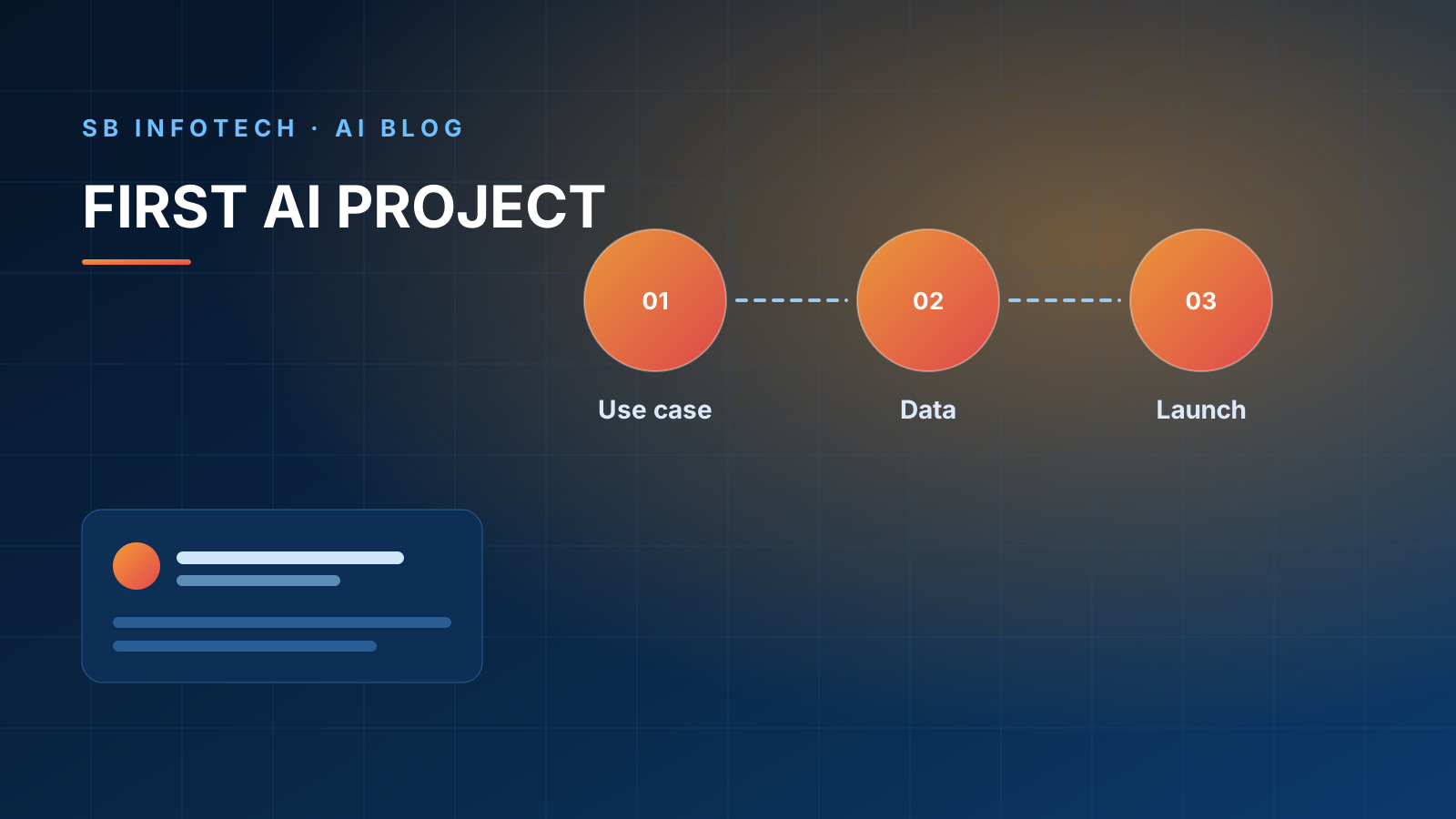
Step 1: Choose one narrow use case
Look for work that is frequent, repetitive and well understood: order status questions, appointment booking, lead qualification or internal policy questions. Avoid starting with rare, high-risk or highly emotional conversations.
Step 2: Map the real conversations
Collect real examples from emails, chats and call notes.
Group them into the ten to twenty most common intents.
Write the ideal answer or action for each one.
Step 3: Prepare knowledge and integrations
List the documents the agent must know and the systems it must use, such as a CRM, booking calendar, order database or WhatsApp Business. Clean, current information matters more than the choice of model.
Step 4: Set guardrails and handoff rules
What the agent must never say or do.
Which topics always go to a person.
What happens outside business hours.
Step 5: Define success before you build
Share of conversations resolved without a person.
Response time and customer satisfaction.
Leads captured or appointments booked.
Time your team saved each week.
Measure the current baseline first, so you can compare honestly after launch.
Step 6: Launch in stages
Start with internal testing, then a small share of real traffic or a single channel, then expand. Review conversations daily in the first weeks and fix gaps quickly.
A realistic timeline
A focused first agent with one or two integrations can often go live in a few weeks. Timelines grow with the number of systems, languages and approval steps, so keep the first version small and improve it in short cycles.
Let's build the right solution.
Every business has its own processes, customer expectations and integration requirements. Let's discuss what will work for yours.
Discuss your project ↗